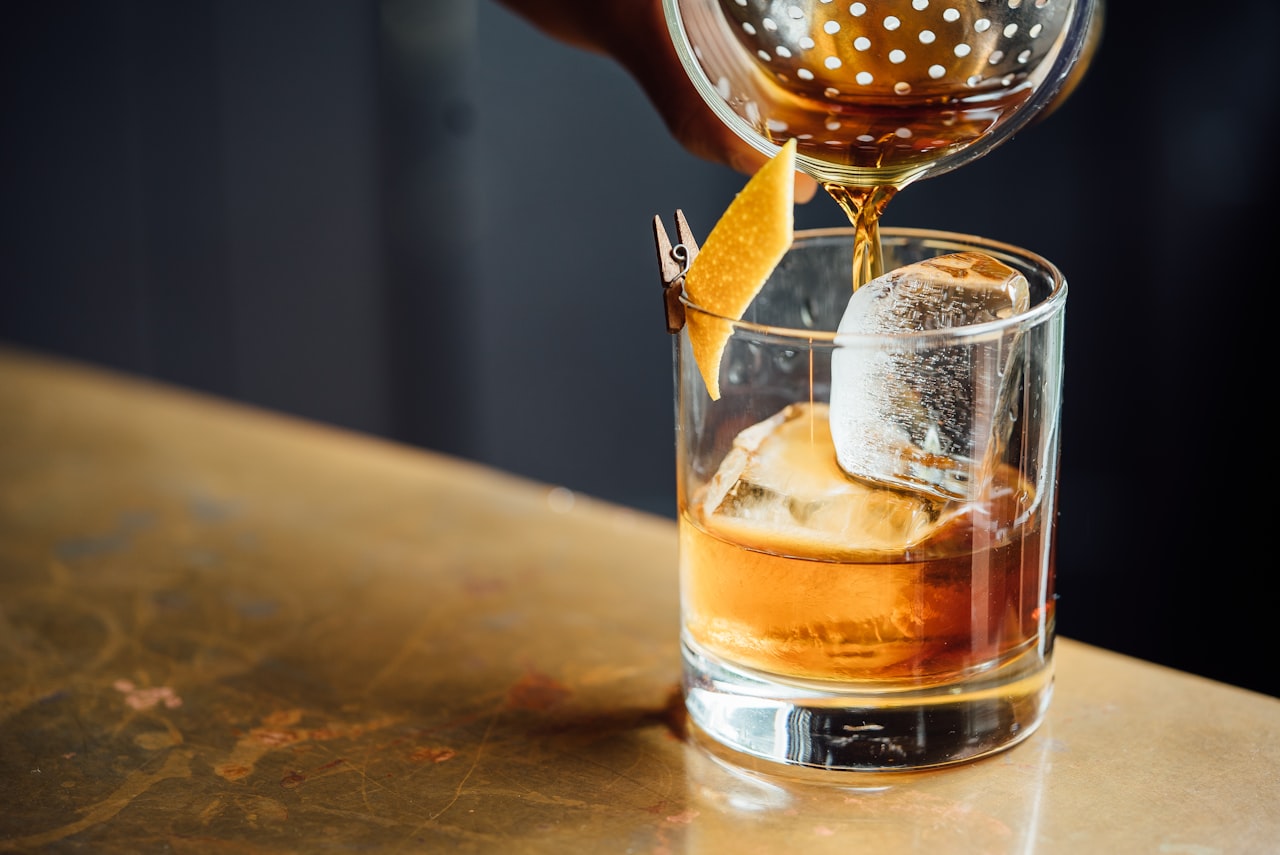
Vodka is the one spirit defined by what it is not. The US standard describes it as a neutral spirit without distinctive character, aroma, taste, or colour. That is the goal, not a failure of ambition. A spirit with no flavor of its own contributes alcohol, cold, and texture and lets everything else in the glass be heard.

It also means the honest differences between bottles are small, and the marketing budget behind them is not. Back to the liquor primers.

How it is made

Pick a base. Anything fermentable works: wheat, rye, corn, barley, potatoes, grapes, sugar beet, even whey. This is the single decision that has the most effect on the finished spirit, and it is the one most brands mention last.

Convert and ferment. Grain and potatoes store starch, so they are cooked and treated with enzymes to convert it to sugar. Grapes and beets do not need that step. Yeast then ferments the wash to roughly 8–12% ABV.

Distill high. A continuous column still — often a tall column, sometimes several in series — takes the spirit up to around 95–96% ABV. At that strength almost every flavor compound has been left behind. This is the step that makes vodka vodka. It is also why the base material’s influence is real but subtle: you are tasting what survived, not what went in.

Filter. Traditionally activated charcoal, which scrubs residual off-notes. The US rules were rewritten in 2020 and no longer require charcoal treatment, so filtration is now a producer choice: charcoal, silver birch, quartz, or very little at all.

Dilute. Cut with water to bottling strength. US bottling requires at least 40% ABV; the EU floor is 37.5%. Water quality genuinely matters here, because at this point the bottle is roughly 60% water by volume.

Base materials

BaseCommon originTextureCharacterWorks well in
WheatFrance, Poland, USLight, cleanFaintly sweet, anise edgeAnything; the safe default
RyePoland, Russia, BalticsDry, firmPeppery, a little spiceMartinis, savoury drinks
PotatoPoland, Sweden, IdahoFull, oily, creamyEarthy, faintly mineralSipping cold, Bloody Marys
CornUnited StatesSoft, roundMildly sweetMixed with juice or soda
GrapeFrance, ItalySilkyFaintly floral, fruityDrinks with citrus or wine

Two of these are worth separating out, because they are the poles most people can actually taste blind. Wheat vodka is the light, dry, faintly sweet template most American drinkers picture when they hear “vodka.” Potato vodka is heavier — potatoes contribute more of the compounds that survive distillation, which reads as weight and a creamy mouthfeel rather than as flavor. Neither is better. Chilled and sipped, potato has more to say; in a drink with three other ingredients, wheat gets out of the way.

Regional labels do exist. Polish vodka is legally tied to specified grains or potatoes grown in Poland. Otherwise, geography on a vodka bottle usually tells you where it was bottled, not where the base spirit was distilled — a great deal of vodka is made from bought-in neutral spirit.

What “quality” means here

Texture, not flavor. Judge vodka on mouthfeel and finish. Pour two at room temperature, smell them, sip a small amount. One will feel rounder and finish clean. The other will feel thin and leave a sting or a faint solvent note at the back. That difference is real and it is what you are paying for.

The stated base. A producer who names the grain or the potato variety is a producer who thinks it matters. A bottle that says nothing about its base is very likely built on purchased bulk neutral spirit.

Proof. 40% ABV is standard and 40% is fine. Bottlings at 45%–50% carry more texture into a drink after ice dilution. This is a bigger real difference than anything on the front label.

Additives. The revised US standard permits trace amounts of sugar and citric acid — up to about 2 grams per litre of sugar — without the spirit losing the name “vodka.” At that level it rounds off the edges. Flavored vodka is a separate, clearly labeled product.

What does not indicate quality. Distillation counts. “Distilled seven times” past the point of neutrality is arithmetic, not craft — once a spirit is at 96% ABV there is nothing left to remove. The same goes for filtration through diamonds, gold, or lava rock, the shape and weight of the bottle, and country-of-origin styling on a brand made somewhere else. Vodka is the category where cost and quality correlate most weakly.

Where it goes in a drink

Vodka contributes strength, cold, and body. Nothing on this site’s six recipes is built on it, but the sour template converts directly: 2 oz vodka, ¾ oz lemon, ¾ oz simple syrup, shaken, is a clean version of the Whiskey Sour with the grain flavor removed. Swap it into a Margarita spec and the lime and orange do all the talking.

Two places it is the right choice rather than the lazy one. A Vodka Martini, stirred and very cold, where texture is the entire drink — a rye or potato base earns its keep. And any drink built around a delicate ingredient, cucumber or a floral syrup, that a gin would bulldoze.

Serve it cold. Unlike aged spirits, vodka improves in the freezer: cold thickens it and mutes the alcohol burn. Glassware and tool searches are on Shopjiggers, mixing glasses, bar spoons. We link tools and glass, not bottles.

Notes

The neutrality definition, the removal of the mandatory charcoal-treatment requirement, the permitted trace additions, and the 40% ABV bottling minimum come from the US standards of identity for distilled spirits at 27 CFR Part 5, as revised in 2020. The 37.5% floor and the Polish Vodka geographical indication come from EU spirit drink rules.